Brands Finally Got the Memo: How Fashion and Fitness Caught Up to What Adult Creators Were Doing All Along
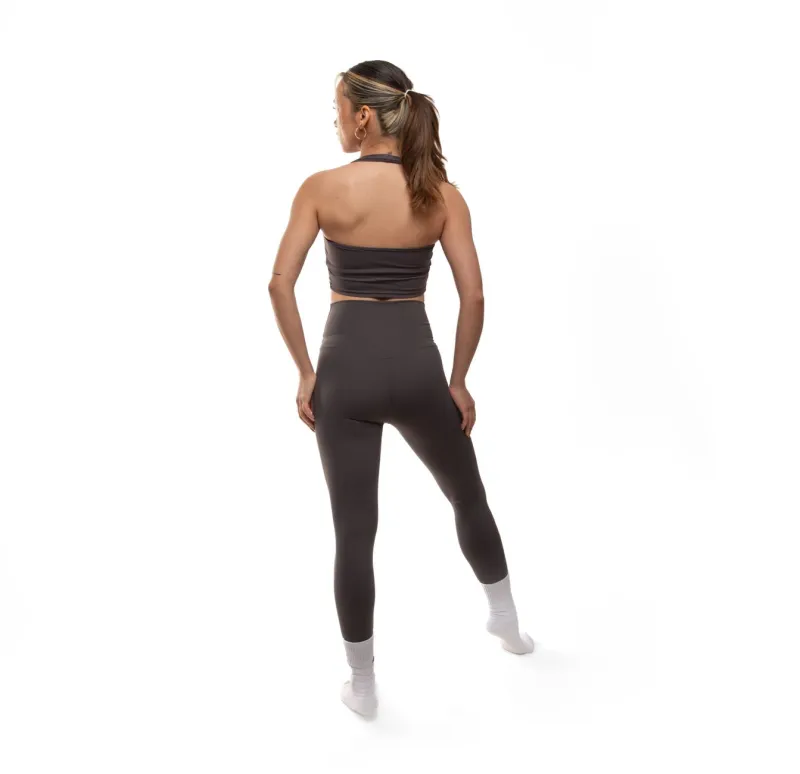
Somewhere around 2019, a shift started happening in athletic wear advertising that most people probably didn't consciously notice but definitely felt. The models weren't just standing there anymore. The camera was moving. Specifically, it was moving around back.
Leggings campaigns started leading with rear-view shots. Running shoe ads began featuring extended sequences of athletes from behind. Sports bra campaigns — historically all about the front — started treating the back as the primary visual. And the brands doing this were the big ones: premium athletic labels, direct-to-consumer startups raising serious venture capital, fast fashion giants trying to look aspirational.
The thing is, none of this was new. Adult content creators had been working this exact visual language for years. They'd already figured out the angles, the lighting, the fit considerations, the specific ways that rear-view content communicates confidence and draws attention. Mainstream fashion just finally caught up — and the catching up has been worth billions.
The Rear-View Economy Has Always Existed — Just Not in Polite Company
The economics of rear-view appeal aren't complicated. Human attention is drawn to the posterior — evolutionary biology has been making that case for decades — and content that presents it confidently, authentically, and with genuine craft tends to perform. Adult creators understood this practically before anyone in mainstream retail was willing to admit it publicly.
Creators on platforms like OnlyFans, Instagram, and later TikTok spent years developing a sophisticated visual grammar around back-body content. They tested which angles flattered which body types. They figured out that natural movement outperforms static posing in terms of engagement. They discovered that authenticity — real bodies in real situations — converted better than heavily produced perfection.
All of that R&D happened largely outside the view of mainstream brand strategy teams. And then, gradually, it didn't.
Athleisure Brands Led the Charge
The athletic wear category was the first to make the turn explicit. The rise of the "squat-proof" legging as a marketing category is a perfect case study. The entire concept — a garment tested and sold on the basis of how it looks from behind during physical activity — would have been considered too provocative for mainstream advertising even fifteen years ago.
Now it's a standard product feature and a primary selling point for brands at every price point. Gymshark built a significant portion of its early brand identity around rear-view workout content. Lululemon's campaign photography evolved from aspirational lifestyle shots to increasingly movement-based, back-angle-forward imagery. Alo Yoga's influencer strategy has consistently centered creators who understand how to present their bodies from every angle — with the rear view getting serious real estate.
The design implications have followed the marketing. Seam placement, waistband construction, fabric tension — these are now actively engineered for rear-view performance in a way they simply weren't a decade ago. The garment and the content strategy evolved together, each informing the other.
Fashion's Slower, More Expensive Pivot
High fashion moved more cautiously, as it tends to do, but it moved. The shift showed up first in campaign photography — luxury brands beginning to use extended rear-view sequences in their editorial content, treating the back of a garment as a primary design statement rather than an afterthought.
This wasn't purely aesthetic. It was also a response to where consumer attention had already migrated. By the early 2020s, the audiences these brands were trying to reach had spent years consuming content — much of it from independent creators — that centered rear-view presentation. Their visual literacy had been shaped by that content. Brands that didn't adapt started to look dated.
The luxury swimwear category is particularly telling. Brands that once designed primarily for front-facing resort photography are now routinely producing campaign content that treats the back and seat of a suit as the hero visual. The design vocabulary — high-cut legs, minimal coverage, deliberate fabric choices — reflects the same understanding of rear-view appeal that adult creators were working with years earlier.
What Adult Creators Actually Pioneered
It's worth being specific about what the mainstream brands actually learned, because it's more sophisticated than just "point the camera at someone's backside."
Creators figured out that movement creates engagement where static images create appreciation. A confident walk away from the camera, a turn, a natural moment of someone going about their day — these generate a different quality of attention than a posed shot. Mainstream brands are now building this into their video production briefs.
Creators also discovered that body diversity in rear-view content doesn't just serve a social good — it dramatically expands audience reach and engagement. Showing a range of body types from behind, with equal confidence and equal craft, pulls in audiences who simply don't see themselves in conventional advertising. Brands have learned this lesson, though many are still applying it inconsistently.
And creators understood something about authenticity that brand teams are still sometimes getting wrong: audiences can tell the difference between genuine confidence and performed confidence. Content that looks like it was produced by someone who actually feels good in their body reads completely differently than content where the discomfort is visible under the surface.
The Business Implications Are Massive
The global activewear market is currently valued at over $350 billion and growing. The premium segment — where rear-view design features and aesthetic marketing are most prominent — is growing faster than the category overall. That's not a coincidence.
Brands that made the pivot early are seeing it in their numbers. Gymshark's valuation crossed a billion dollars in 2020. Alo Yoga has expanded aggressively into physical retail while competitors are contracting. Direct-to-consumer brands built entirely around rear-view design and marketing — companies that would have seemed niche five years ago — are now raising serious capital and going head-to-head with legacy athletic brands.
Meanwhile, the adult creators who pioneered this visual language are increasingly being recognized as the tastemakers they actually were. Some are collaborating directly with brands. Others are building their own product lines. The expertise they developed — understanding how to present the human body with confidence, craft, and genuine appeal — turns out to be commercially valuable in ways that extend well beyond their original platforms.
The Culture Shift Behind the Business Shift
None of this happened in a vacuum. The mainstreaming of rear-view design and marketing reflects a broader cultural shift in how Americans relate to bodies, confidence, and self-presentation. Body positivity, the rise of fitness culture as lifestyle identity, and the normalization of confident self-expression through platforms like TikTok and Instagram all contributed.
Adult creators were both reflecting and accelerating that shift. By presenting bodies confidently and unapologetically for years before mainstream culture was ready to do the same, they helped move the Overton window on what kinds of self-expression are acceptable, aspirational, and worth paying attention to.
The brands that caught up deserve credit for catching up. But the people who did the original work — who figured out the angles and the aesthetics and the authentic presentation strategies without a marketing budget or a brand safety team — deserve more credit than they usually get.
They built the playbook. Everyone else is just running it now.