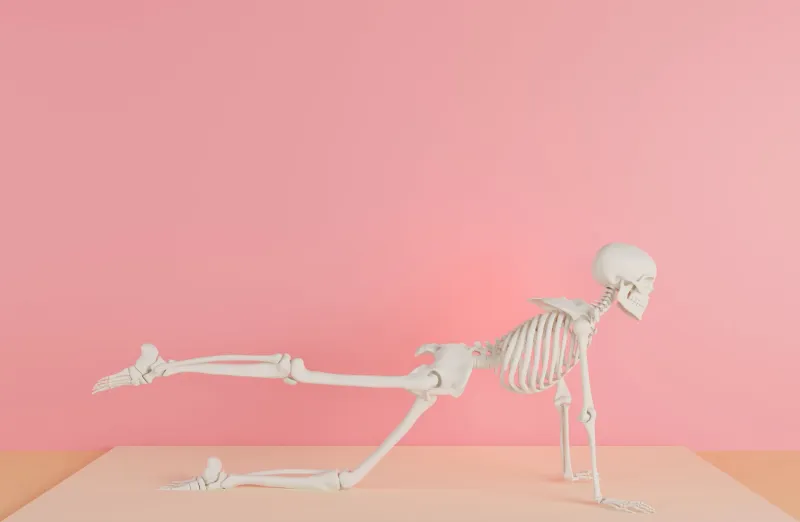
Glutes Are Having a Moment: How 2024 Turned Butt Day Into the Most Important Day at the Gym
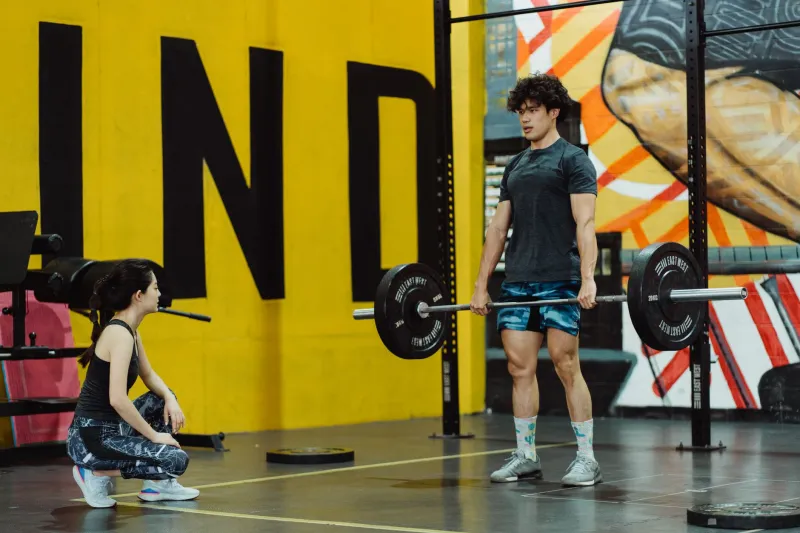
Walk into any commercial gym in America right now and you'll notice something. The squat racks are busy, sure — but the hip thrust stations? Absolutely slammed. Women and men alike are loading up barbells, setting up resistance band stations, and running through Romanian deadlift sets with the kind of focused intensity that used to be reserved for bench press bros on a Monday. Glute training has gone fully mainstream, and 2024 might be the year it cemented itself as a permanent fixture in American fitness culture.
So how did we get here, and what's actually driving it?
The Numbers Don't Lie
Let's start with the social media footprint, because it's genuinely staggering. The hashtag #GluteWorkout has accumulated over 8 billion views on TikTok as of mid-2024. Searches for "hip thrust" on YouTube have more than doubled since 2021. Boutique fitness studios offering glute-specific classes — names like Booty Burn, Glutes & Grit, and similar — have expanded rapidly in major metros including New York, Los Angeles, Miami, and Chicago.
The fitness app Strava reported in its 2024 trends data that lower-body and glute-specific workouts saw the largest year-over-year increase in logged sessions among its US user base. Meanwhile, sales of glute-specific equipment — hip thrust benches, booty bands, cable attachment accessories — have surged at retailers like Rogue Fitness and Amazon.
This isn't a niche trend anymore. It's mainstream.
The Influencer Engine
You can't talk about the glute fitness explosion without acknowledging the role of social media influencers, and specifically the fitness creators who built massive platforms around posterior-focused training.
Creators like Bret Contreras — widely credited as the godfather of modern glute science and the popularizer of the barbell hip thrust — have been evangelizing glute training for years. But in 2024, the message finally broke through to a general audience in a big way, carried by a new generation of fitness influencers who blend workout content with lifestyle aesthetics in a format perfectly engineered for short-form video.
The formula works because it's visual and immediate. A before/after transformation centered on glute development is compelling content. A 60-second hip thrust tutorial is easy to replicate. And the results — when people actually follow through — are noticeable relatively quickly compared to some other fitness goals, which keeps the engagement loop going.
"People want to see progress, and glute training delivers visible results faster than almost anything else," says Dallas-based certified personal trainer Marcus Webb, who runs a popular fitness account and trains clients both in-person and online. "It's motivating. You do the work, you see the shape change, and that keeps you coming back."
What the Science Actually Says About Glute Training
Beyond aesthetics — and yes, we appreciate aesthetics deeply here at Show Me Butts — the health case for dedicated glute training is legitimately compelling.
The gluteus maximus is the largest muscle in the human body. It's not just the biggest — it's one of the most functionally important. Strong glutes are directly linked to reduced lower back pain, improved hip stability, better knee alignment, and enhanced athletic performance across virtually every sport and physical activity. Physical therapists have been prescribing glute activation exercises for decades as part of rehabilitation protocols for back, hip, and knee injuries.
In a sedentary culture where most Americans spend the majority of their waking hours sitting — effectively putting the glutes in a shortened, inactive state — targeted glute training isn't just about aesthetics. It's about correcting muscular imbalances that cause real pain and dysfunction.
"Gluteal amnesia is a real thing," explains Dr. Priya Nair, a sports medicine physician based in Atlanta. "When you sit for long periods, the hip flexors tighten and the glutes stop firing properly. Targeted activation work and strength training literally re-teaches the muscles to do their job. The people doing these trending workouts are getting health benefits they might not even be aware of."
The Workout Trends Actually Dominating Gym Floors
So what does a 2024 glute-focused workout actually look like? A few modalities are clearly winning.
The Barbell Hip Thrust remains the undisputed king. Contreras's research has consistently shown it produces the highest levels of glute activation of any common exercise, and it's now a fixture in programming from beginner to elite athlete levels. Gyms that previously had no dedicated hip thrust setup are adding benches and space to accommodate demand.
Romanian Deadlifts (RDLs) have exploded in popularity, particularly among women who discovered that the hip-hinge pattern targets the glutes and hamstrings in a way that traditional squats don't fully replicate. The dumbbell RDL variation is probably the single most-filmed exercise on gym floors right now.
Resistance Band Work — specifically banded clamshells, lateral walks, and kickbacks — has become a staple warmup and activation sequence that you'll see in virtually every glute-focused program. The bands are cheap, portable, and effective, which makes them ideal social media content.
Boutique Glute Classes are filling schedules at studios across the country. Programs like Solidcore, which uses slow-twitch muscle fatigue methodology, and various barre-fusion formats have incorporated significant glute-specific blocks that draw packed classes multiple times per week.
The Cultural Moment Behind the Movement
It would be incomplete to discuss the glute fitness boom without acknowledging the cultural shift that made it possible. For a long time, American mainstream fitness culture — and mainstream beauty standards more broadly — centered on a lean, low-body-fat aesthetic that didn't particularly celebrate muscular development in the lower body. That has changed substantially.
The embrace of fuller, stronger, more muscular posterior aesthetics in mainstream American culture — driven significantly by Black and Latina cultural influence on beauty standards, amplified by pop culture, and now thoroughly embedded in fitness media — created an environment where training specifically to develop the glutes became not just acceptable but aspirational.
"There's been a real shift in what people are training for," says Webb. "Five years ago, a lot of my female clients wanted to get smaller. Now they want to get stronger and more developed in specific areas. The goal has changed, and the training has followed."
The Bottom Line
Glute-focused fitness in 2024 is the rare trend that actually has legs — or, more accurately, has the structural foundation to stick around. It's backed by legitimate sports science, it delivers visible and functional results, it's accessible to beginners and advanced athletes alike, and it fits perfectly into the visual economy of social media.
Here at Show Me Butts, we have an obvious appreciation for the results this trend produces. But beyond the aesthetics, there's something genuinely cool about a fitness movement that's rooted in real physiology, celebrates strength over restriction, and is bringing millions of people into a sustainable, rewarding training practice.
So if you've been skipping glute day — stop. The science, the culture, and frankly the entire vibe of 2024 are all pointing in the same direction. Get to the hip thrust station. You can thank us later.