Busted: 5 Glute Myths That Are Wasting Your Time (And What Actually Works)
If you've spent more than five minutes on fitness TikTok or Instagram, you've been hit with approximately ten thousand different opinions on how to build a better backside. Some of it is legit. A lot of it is wishful thinking dressed up in workout clothes. And some of it is genuinely counterproductive.
We're cutting through the noise. Here are five of the most persistent myths about achieving your best rear view — and what the actual science and fitness professionals say you should be doing instead.
Myth #1: You Can Spot-Reduce Fat From Your Butt (Or Add It Exactly Where You Want)
This one goes both directions, and both directions are wrong.
First, the reduction side: no amount of targeted exercise will burn fat specifically from your backside. Spot reduction — the idea that working a specific muscle burns the fat sitting on top of it — has been thoroughly debunked by exercise science. When your body burns fat for fuel, it draws from your overall fat stores based on genetics and hormones, not from whichever area you're currently working out.
Now the flip side: you also can't "add" fat to your butt through diet alone without it going everywhere else too. Certain foods won't magically migrate to your glutes. Your body decides where fat is stored based on factors largely outside your control — genetics, sex hormones, age. Women tend to store more fat in the hips and glutes due to estrogen; men tend toward the midsection. That's biology, not a meal plan.
What you can do is build the muscle underneath through targeted resistance training, which changes the shape and projection of your backside regardless of fat distribution. That's the actual lever you have to pull.
Myth #2: Squats Are the Ultimate Glute Exercise
Squats are a fantastic compound movement and absolutely worth doing. But calling them the king of glute development oversimplifies what the research actually shows.
Here's the thing: in a traditional squat, your glutes are most active at the bottom of the movement, but they share the load significantly with your quads. Depending on your stance, mobility, and anatomy, squats might actually be developing your legs more than your rear.
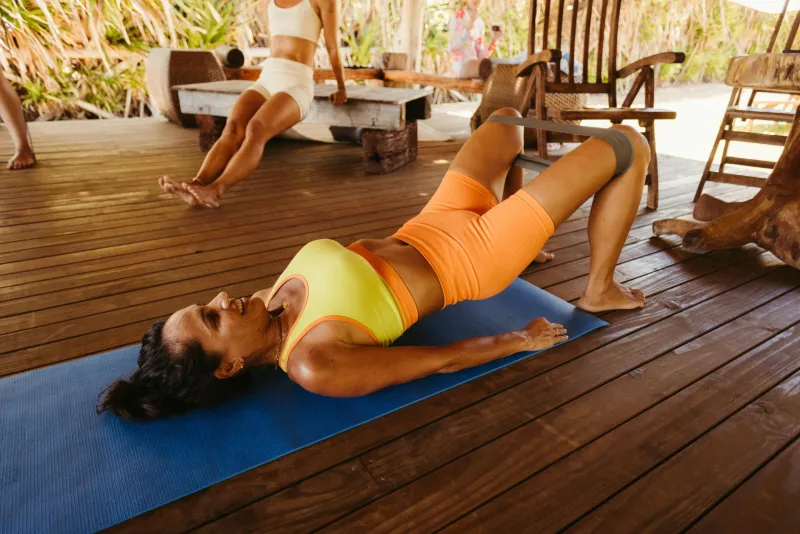
Exercises that have consistently shown higher glute activation in EMG (electromyography) studies — which measure how hard a muscle is actually working — include hip thrusts, Romanian deadlifts, cable pull-throughs, and donkey kicks. Hip thrusts in particular have become a staple recommendation from certified strength coaches specifically because they load the glutes at full extension, which is where they produce the most force.
The practical takeaway: squats belong in your program, but if building your backside is the goal, they shouldn't be the only thing in your program. Diversify.
Myth #3: More Protein Automatically Means More Glute Growth
Protein is essential for muscle building — that part is true. But the "more is always better" mentality has gotten a little out of hand in fitness culture.
Your body has a ceiling for how much protein it can actually use for muscle protein synthesis at any given time. The current evidence-based recommendations sit around 0.7 to 1 gram of protein per pound of bodyweight per day for people actively training. Consuming significantly more than that doesn't translate to faster or greater muscle growth — the excess just gets used for energy or excreted.
What matters as much as total protein intake is distribution throughout the day and timing around training. Spreading your protein across meals and getting some in the window around your workout is more effective than slamming a massive amount at one sitting.
Also worth noting: overall caloric intake matters enormously. You can eat all the chicken breast you want, but if you're in a significant caloric deficit, muscle growth will be severely limited. Building requires fuel.
Myth #4: Non-Surgical Butt Enhancement Treatments Actually Build Muscle or Lasting Volume
The wellness and medical aesthetics industry has done an impressive job marketing various non-surgical butt enhancement treatments — from EMsculpt-style electrical muscle stimulation devices to injectable fillers to various creams and oils promising to "lift and firm."
Let's be direct: the results vary wildly, and the marketing often outpaces the evidence.
EMsculpt and similar devices that use high-intensity electromagnetic energy to stimulate muscle contractions do have some legitimate research behind them for modest muscle toning, but the results are far less dramatic than the before-and-after photos suggest, and they're not a replacement for progressive resistance training.
Injectable fillers for the buttocks carry real risks and typically don't provide the kind of dramatic, lasting results that surgical fat grafting can. Many practitioners in the aesthetic medicine space are cautious about recommending them.
Topical creams and oils claiming to enhance the butt? Save your money. There is no topical product that can meaningfully change the size or shape of your glutes. The skin doesn't absorb ingredients in the concentrations that would be required for any structural change.
If you're considering a cosmetic procedure, talk to a board-certified plastic surgeon — not just a med spa with aggressive Instagram ads.
Myth #5: If You're Not Sore, You Didn't Work Hard Enough
Muscle soreness — that familiar ache you feel a day or two after a tough workout — is often treated as a badge of honor and a measure of effectiveness. "I can't sit down after leg day" has basically become a fitness personality type.
But soreness (technically called delayed onset muscle soreness, or DOMS) is not a reliable indicator of muscle growth stimulus. It's primarily a response to novel stress — movements your body isn't accustomed to. As you get more experienced and your body adapts, you'll experience less soreness from the same workouts even as you continue making progress.
Chasing soreness by constantly switching up exercises or loading too aggressively can actually interfere with progress. Consistency and progressive overload — gradually increasing weight, reps, or volume over time — are the actual drivers of glute development. You need to give your muscles a chance to adapt, not constantly shock them back to square one.
If your glutes aren't sore after a workout, that doesn't mean you wasted your time. It might just mean your body is getting better at handling the work — which is exactly what you want.
The Bottom Line
Building a genuinely great backside takes time, consistency, and accurate information. The fitness internet is a noisy place full of people selling shortcuts that don't exist. The fundamentals — progressive resistance training focused on the right exercises, adequate nutrition, and patience — aren't glamorous, but they're what actually work.
Skip the myths. Do the work. The results will speak for themselves.