Likes, Follows, and Fantasies: How Social Platforms Are Rewriting the Rules of What's Hot
Not that long ago, beauty standards moved slowly. A magazine cover here, a music video there — the machinery of influence was expensive and centralized. A handful of gatekeepers decided what was desirable, and the rest of us just kind of absorbed it. Then social media blew the whole thing up, and now we're living in the aftermath — a chaotic, democratized, deeply personal landscape where a 23-year-old from Columbus, Ohio can reshape what millions of people find attractive before lunch.
The platforms doing the most work here aren't playing the same game. TikTok, Instagram, and OnlyFans each have their own culture, their own algorithm logic, and their own version of what a "hot body" looks like. The result? A fractured but fascinating ecosystem where beauty standards don't just vary by region or age — they vary by app.
TikTok's Body: Relatable, Real, and Weirdly Specific
TikTok's algorithm doesn't care who you are when you post. It cares about engagement — watch time, shares, comments, replays. That single fact has had enormous downstream consequences for body culture on the platform. Content that feels authentic, surprising, or emotionally resonant gets pushed. Polished, overly produced stuff often stalls.
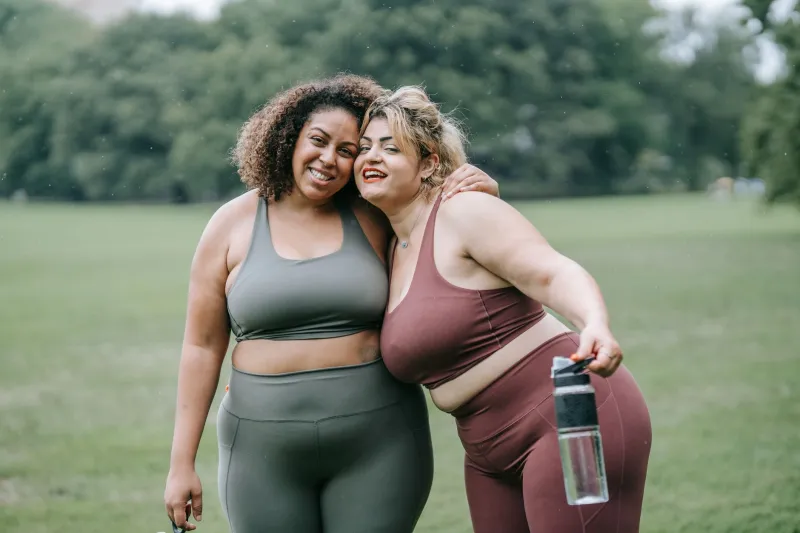
The result is that TikTok has become a genuine launchpad for body types and aesthetics that mainstream media historically ignored. Curvy creators, plus-size dancers, and everyday people showing off bodies that don't fit a traditional mold have found massive audiences because their content connects, not because some brand decided to feature them.
Creators who've built followings in the fitness and lifestyle space on TikTok will tell you the same thing: vulnerability performs. A video of someone struggling through a workout, laughing at a bloated belly after a big meal, or just existing comfortably in a body that doesn't look like a fitness model — that stuff spreads. The algorithm rewards realness because realness keeps people watching.
There's also the niche factor. TikTok's recommendation engine is extraordinarily good at finding micro-communities. Whether you're into powerlifting aesthetics, soft body appreciation, athletic curves, or any other specific flavor of attraction, TikTok will eventually find your people and deliver you to them. This has given rise to what some creators call "aesthetic tribes" — loyal, passionate audiences built around very specific physical ideals that would never have found a platform twenty years ago.
Instagram's Glow-Up Economy
Instagram operates differently. It's more aspirational by design — a highlight reel culture that rewards polish, consistency, and a certain kind of visual perfection. The body standards that thrive on Instagram tend to be more sculpted, more curated, and more aligned with traditional fitness ideals, even as the platform has made efforts to diversify representation.
But Instagram's influence on body culture isn't monolithic. The platform hosts everything from elite fitness influencers with six-pack abs to body-neutral accounts explicitly pushing back against those same standards. What Instagram does particularly well is sustaining aesthetics over time. A creator who builds a cohesive visual brand around a specific look — whether that's athletic, soft, tattooed, or anything else — can maintain a loyal following that keeps coming back for that specific vibe.
For creators in the adult content and lifestyle space, Instagram functions as a discovery engine. It's where new audiences find you, where brands consider sponsorships, and where the broader conversation about desirability plays out publicly. The rules are stricter here — Instagram's content policies push explicit material off the platform — but that constraint has actually shaped a whole aesthetic of suggestion and implication that many creators have mastered brilliantly.
The butt, in particular, has had an interesting relationship with Instagram. Fitness culture normalized glute-focused content on the platform years ago, and that normalization created space for a much wider range of creators to post body-forward content under the umbrella of "fitness" or "wellness." It's a loophole that shaped an entire genre.
OnlyFans: Where Niche Becomes a Business Model
If TikTok is the discovery machine and Instagram is the brand-building engine, OnlyFans is where the economics get real. The platform's subscription model fundamentally changed the relationship between creators and their audiences — and in doing so, it changed what kinds of bodies and aesthetics could actually support a career.
On OnlyFans, the mainstream doesn't matter. What matters is whether a specific group of people cares enough about your specific thing to pay for it monthly. This has been genuinely revolutionary. Creators who don't fit conventional beauty standards — who are too curvy, too small, too tattooed, too unconventional by Hollywood metrics — have built six-figure businesses by finding their niche and owning it completely.
Creators on the platform consistently report that authenticity and connection drive retention more than physical appearance alone. Subscribers who feel like they have a real relationship with a creator, who feel seen and engaged with, stick around. That dynamic has pushed many successful OnlyFans creators toward a kind of radical self-presentation — leaning hard into exactly who they are, what their body looks like, and what makes them specifically appealing rather than generically attractive.
The platform has also enabled the rise of what you might call "body specialists" — creators whose entire brand is built around one specific physical feature or aesthetic. In a world where the site you're reading right now exists and thrives, it shouldn't be surprising that hyper-specific appreciation has found a sustainable business model.
Micro-Influencers and the Authenticity Premium
Across all three platforms, one of the most significant shifts of the last few years has been the rise of the micro-influencer — accounts with anywhere from 10,000 to 100,000 followers who generate engagement rates that mega-influencers can only dream about. In body culture specifically, micro-influencers have become some of the most powerful forces reshaping what Americans find attractive.
Why? Because their audiences actually trust them. When a creator with 40,000 followers who looks like a regular person posts about feeling great in their body, it lands differently than the same message from a celebrity with a team of photographers and a sponsorship deal. The parasocial relationship is tighter, the aesthetic feels more achievable, and the community that forms around smaller creators tends to be more passionate and more engaged.
For the adult content and lifestyle space specifically, this authenticity premium has been a game-changer. Audiences are increasingly skeptical of overly produced, heavily filtered content. They want to see real bodies doing real things — and the creators who've built their brands on that premise are winning.
So What Does "Hot" Even Mean Anymore?
Honestly? It depends on which app you're on. The social media era hasn't produced a single, unified beauty standard — it's produced dozens of them, running in parallel, each with its own passionate community of supporters. That's not a bug. That's the feature.
For a site like this one, where the whole premise is appreciating the incredible variety of great rear views out there, that fragmentation is genuinely exciting. There's never been a moment in American culture where more types of bodies were being celebrated, sought out, and built into actual careers. The algorithm giveth, the algorithm taketh away — but right now, it's giving a whole lot of people a whole lot of reasons to love what they've got.