Back View, Big Life: The Surprising Psychology Behind Feeling Good From Every Angle
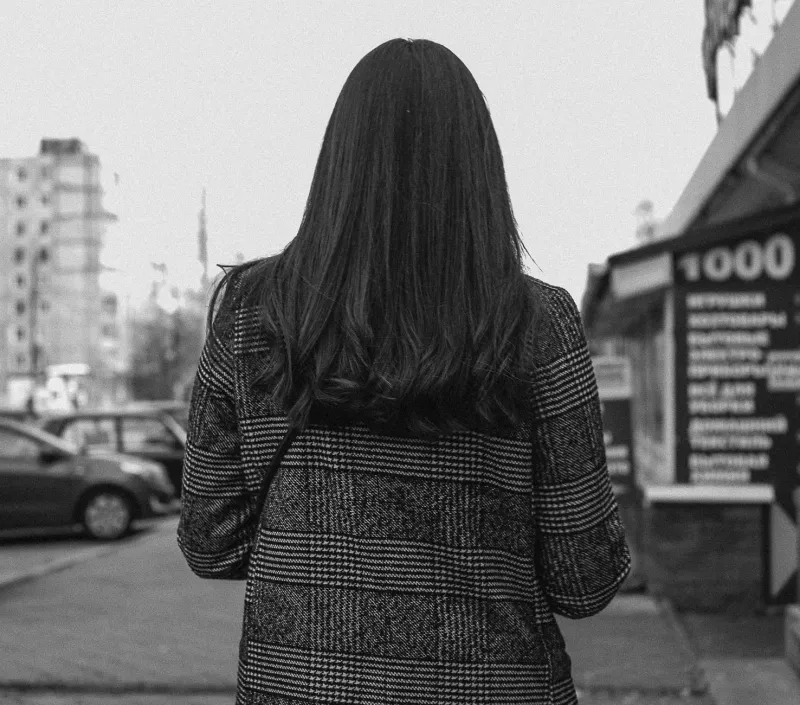
Most of us spend a lot of time thinking about the front-facing version of ourselves. The mirror check before a big meeting. The selfie angle we've perfected over years of trial and error. But there's a whole other dimension of self-perception that doesn't get nearly enough airtime — and according to psychologists and the people living it, what you think about your backside might be quietly running a bigger part of your life than you'd ever expect.
Welcome to the confidence paradox: the idea that feeling genuinely attractive from all angles — including the ones you can't easily see yourself — creates a psychological ripple effect that touches everything from your career to your closest relationships.
The View You Can't See (But Everyone Else Can)
Here's the thing about your rear view: other people see it constantly. You almost never do. That disconnect creates a weird psychological blind spot where a lot of people carry around assumptions — usually negative ones — about how they look from behind, without any real evidence to back it up.
Dr. Renata Okafor, a licensed psychologist based in Atlanta who works extensively with body image issues, puts it plainly: "When clients start working through their relationship with their body, the back and the glutes are almost always the last frontier. It's the area people feel the least ownership over because they've never really seen it the way the world does. That disconnection breeds insecurity."
And insecurity, as it turns out, doesn't stay neatly contained to the locker room or the fitting room. It bleeds.
How Posterior Confidence Sneaks Into Your Career
It sounds almost too simple to be true, but the research on embodied confidence — the idea that how you physically carry yourself shapes how you think and perform — is pretty hard to argue with. Amy Cuddy's famous work on power posing opened up a whole conversation about the body-mind feedback loop, and more recent studies have continued to build on that foundation.
When you feel good in your body, you move differently. You take up space differently. And in professional settings, that physical presence translates into perceived authority, competence, and likability.
Take Marcus, a 34-year-old sales manager from Dallas who started a serious strength training program two years ago with the explicit goal of building up his glutes. "I know that sounds kind of funny to say out loud," he laughs, "but I'd always felt kind of flat and shapeless back there. I started working on it, and somewhere around month four, something shifted. I started walking into rooms differently. I got promoted eight months later. I don't think that's a coincidence."
Marcus is quick to point out that he didn't suddenly become a different person. "The work was always there. But I stopped second-guessing myself in meetings. I stopped shrinking. I think I just started believing I belonged."
Confidence coach Tia Morales, who runs workshops in Chicago and online, hears versions of Marcus's story regularly. "The body is not separate from the mind. When someone resolves a source of physical shame — whatever that looks like for them — it's like removing a background noise they didn't even realize was running. They get clearer. They get bolder."
Relationships, Intimacy, and the 360-Degree Self
If the career stuff feels a little abstract, the relationship dynamics are anything but. Feeling attractive from behind — specifically in intimate contexts — has a direct and documented effect on sexual confidence, and sexual confidence, researchers consistently find, is one of the strongest predictors of relationship satisfaction.
A 2022 study published in the Journal of Sex & Marital Therapy found that body image satisfaction was one of the top three contributors to sexual self-esteem in American adults, with those reporting higher satisfaction also reporting significantly better communication with partners and greater overall relationship quality.
Jamila, a 29-year-old from Brooklyn, describes a before-and-after that's hard to dismiss. "I used to be so in my head during intimate moments. Constantly worried about how I looked, pulling away, keeping the lights low. I started really working on accepting my body — my whole body — and it changed the entire dynamic with my partner. I stopped performing and started actually being present. That changed everything."
What Jamila describes is what psychologists sometimes call "spectatoring" — mentally stepping outside your own experience to evaluate your appearance. It's a libido killer, a connection killer, and it's remarkably common. Learning to inhabit your body rather than observe it is, for a lot of people, the difference between going through the motions and actually showing up.
The Mental Health Connection Is Real
Beyond career and relationships, there's a broader mental health picture worth examining. Body dissatisfaction is one of the most reliably documented contributors to anxiety and depression in American adults, and it's not getting better — social media has made the comparison trap more relentless than ever.
But here's the flip side: targeted body appreciation — not toxic positivity, not pretending everything is perfect, but genuinely working toward comfort and even pride in specific parts of your body — has measurable mental health benefits.
Dr. Okafor sees this in her practice constantly. "When someone moves from shame to neutrality to appreciation about a part of their body they previously avoided thinking about, it doesn't stay isolated. It generalizes. They start questioning other areas of shame. They develop a different relationship with self-criticism overall. It's one of the most reliable pathways I've seen to broader psychological wellbeing."
Building It: It's Not Just Physical
So what actually moves the needle? The answers are less about any single workout routine and more about a combination of physical investment and mental reframing.
For some people, building genuine strength and shape in the glutes through consistent training creates a sense of earned pride that's hard to manufacture any other way. For others, the shift comes from exposure therapy of a gentler kind — learning to look at themselves in mirrors they've avoided, wearing clothes that don't hide, gradually building a more honest and generous self-image.
Morales recommends what she calls "appreciation audits" — a daily practice of identifying one thing about your body, particularly the parts you've historically dismissed, that you can acknowledge neutrally or positively. "It sounds small," she says. "It isn't."
The through-line in every story, every study, every coaching session is the same: the body you walk around in is not just a physical object. It's the primary medium through which you experience your own life. When you make peace with it — all of it, the parts you can see and the parts you can't — you're not just changing how you look. You're changing how you live.
And sometimes, the view from behind is exactly where that change starts.