Feeling Yourself: Why Self-Appreciation Is the New Power Move
Let's be real for a second. Americans have spent decades in a complicated, often toxic relationship with their own bodies. Diet culture told us to shrink. Advertising told us we weren't enough. Social media handed us a highlight reel of everyone else's best angles and dared us to measure up. But something has shifted — and it's bigger than a trend.
Self-appreciation is having a cultural moment, and it's not just showing up in wellness podcasts or Instagram captions. It's showing up in therapy offices, boardrooms, bedrooms, and yes, in the kind of confident, unapologetic content that audiences can't stop clicking on. Feeling genuinely good about your body — all of it, including that backside you've been told to hide or obsess over — is becoming one of the most valuable things a person can cultivate.
The Psychology Behind Owning What You've Got
Dr. Renee Castillo, a licensed therapist based in Austin, Texas, has seen a noticeable uptick in clients who come in not to "fix" themselves, but to figure out why they can't seem to celebrate themselves.
"For so long, self-deprecation was almost socially required," she explains. "You'd compliment someone and they'd immediately deflect. Accepting a compliment, let alone giving yourself one, felt arrogant. That's changing. People are starting to understand that self-appreciation isn't vanity — it's a psychological foundation."
The research backs her up. Studies in positive psychology consistently link body appreciation — not just acceptance, but active appreciation — with lower rates of anxiety and depression, stronger interpersonal relationships, and even better performance at work. When you're not spending mental energy hating on your own reflection, it turns out you have a lot more bandwidth for everything else.
Creators Who Got There First
Content creators have been living this reality for a while now. Platforms like Instagram and TikTok reward confidence in a very direct way: people engage with it. Creators who show up authentically — curves, stretch marks, thick thighs, round backsides and all — often outperform their conventionally "perfect" counterparts because audiences can feel the difference between performance and genuine self-possession.
Jasmine Okafor, a lifestyle creator from Atlanta with over 400,000 followers, says the turning point in her career came when she stopped trying to shoot her "best" angles and started just showing up.
"I used to spend so much time trying to minimize certain parts of myself," she says. "The second I stopped doing that — the second I just let my body be what it is and showed it some love — everything changed. My engagement tripled. My DMs were full of people saying they finally felt seen. That's real currency."
And she means that almost literally. Brand deals, speaking invitations, and collaboration requests followed. The confidence wasn't just good for her mental health — it was good for her bottom line.
The Relationship Ripple Effect
Body appreciation doesn't stay contained to the individual. It radiates outward, and nowhere is that more obvious than in intimate relationships.
Marcos Rivera, a 34-year-old physical therapist from Miami, says learning to genuinely appreciate his body — something he struggled with after a sports injury that changed his physique — transformed his romantic life in ways he didn't expect.
"When you're comfortable in your skin, you show up differently with a partner," he says. "You're not distracted by self-consciousness. You're actually present. That presence is attractive. It's magnetic, honestly."
Therapists who work with couples echo this. Self-appreciation tends to reduce the kind of insecurity-driven behavior — jealousy, people-pleasing, emotional withdrawal — that quietly erodes relationships over time. When you feel good about yourself, you're less likely to need constant external validation, which paradoxically makes you more appealing to the people around you.
America Is Slowly Unlearning the Shame
Culturally, the shift is visible in ways both big and small. Mainstream fashion is slowly expanding its definition of a desirable silhouette. Fitness culture has largely moved away from the punishing "no pain, no gain" rhetoric toward approaches that emphasize feeling strong and capable over looking a specific way. Even advertising — notoriously slow to change — is featuring a wider range of body types in campaigns for major brands.
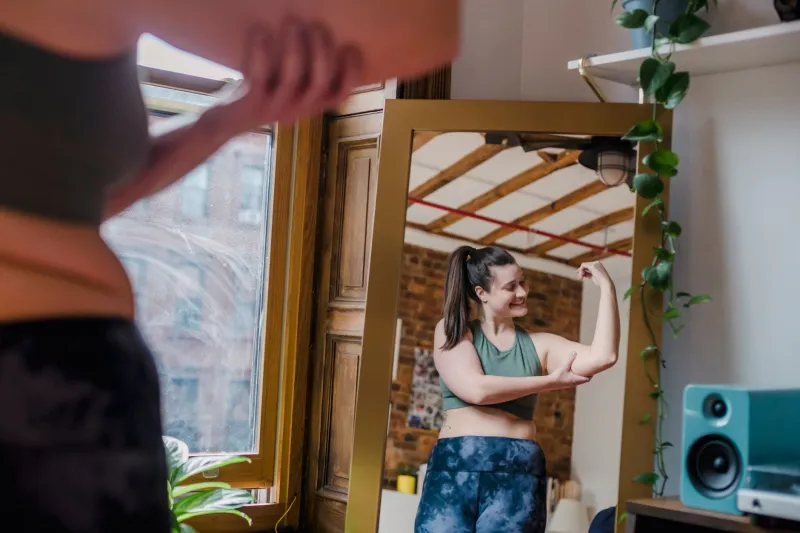
But the real change is happening at the individual level, in private moments and small decisions. It's the person who stops sucking in their stomach for photos. The one who wears the swimsuit anyway. The one who finally posts that picture they love because they look happy in it, not because they look "perfect."
Dr. Castillo calls these "micro-rebellions" — small acts of self-appreciation that, accumulated over time, rewire the way a person relates to their own body.
"Every time you choose appreciation over criticism, you're building a new neural pathway," she says. "You're training your brain to default to kindness toward yourself. That's not a small thing. That's actually one of the most powerful things a person can do."
The Butt-Forward Moment and What It's Teaching Us
It's worth noting that this cultural shift toward body appreciation has coincided with a broader celebration of body parts that were historically either fetishized or shamed — and rarely just... celebrated. The cultural embrace of curves, and particularly of a full backside, has given a lot of people permission to appreciate bodies that don't fit the narrow mold that dominated mainstream media for decades.
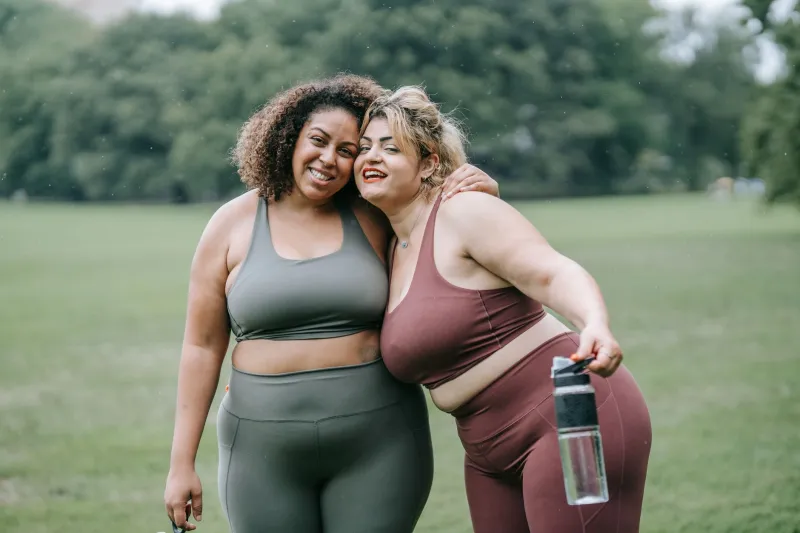
There's something genuinely meaningful about that. When the culture starts celebrating a wider range of bodies — when thickness becomes something to appreciate rather than hide — it creates space for people to look at themselves differently. Not just the parts that are being celebrated, but all of it.
Jasmine puts it plainly: "When I see content that celebrates bodies like mine — real bodies, full bodies — it makes me feel like I'm allowed to love myself. And when I feel that, I make better content, I'm a better friend, I'm a better person. It all connects."
So How Do You Actually Get There?
Self-appreciation isn't a switch you flip. For most people, it's a practice — something you work at, sometimes daily. Therapists suggest starting small: identify one physical thing you genuinely like about yourself and sit with that thought instead of immediately pivoting to criticism. Follow content that makes you feel good about your body, not content that makes you feel inadequate. Move your body in ways that feel good, not just ways that punish it into a shape.
And maybe most importantly: notice when you're being unkind to yourself and ask whether you'd say the same thing to someone you love. Usually the answer is no — and that gap is where the work begins.
The payoff, according to everyone who's done it, is hard to overstate. Better relationships. More confidence at work. A richer, more present experience of being alive in a body. That's not a wellness cliché — that's just what happens when you stop fighting yourself and start actually showing up for yourself.
And if a little more appreciation for your own backside is part of that journey? Honestly, we're here for it.